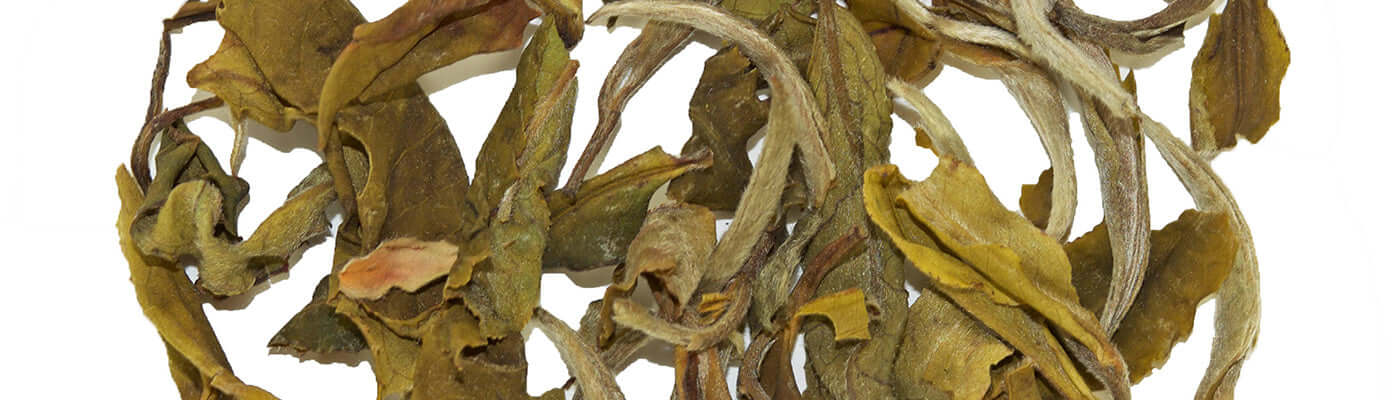
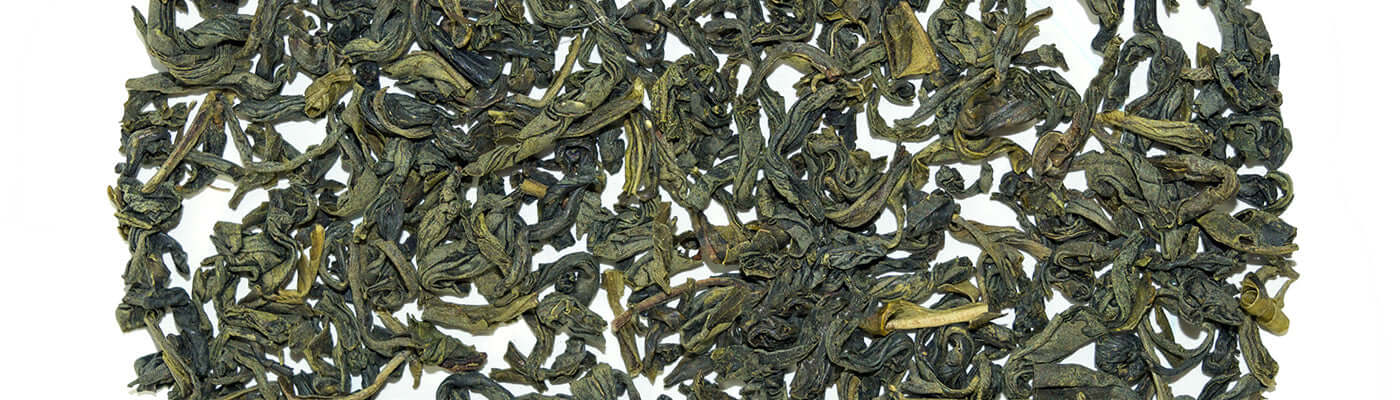
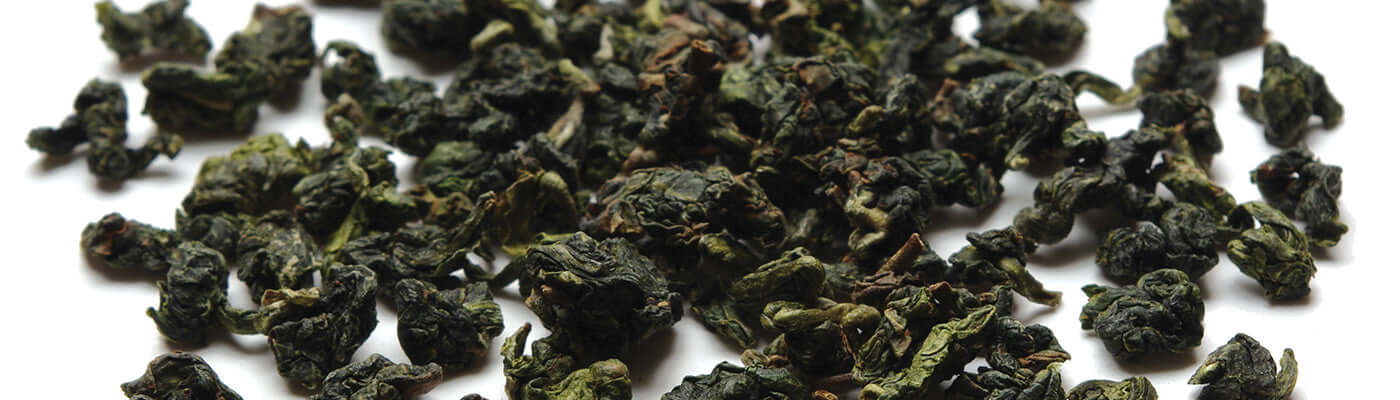
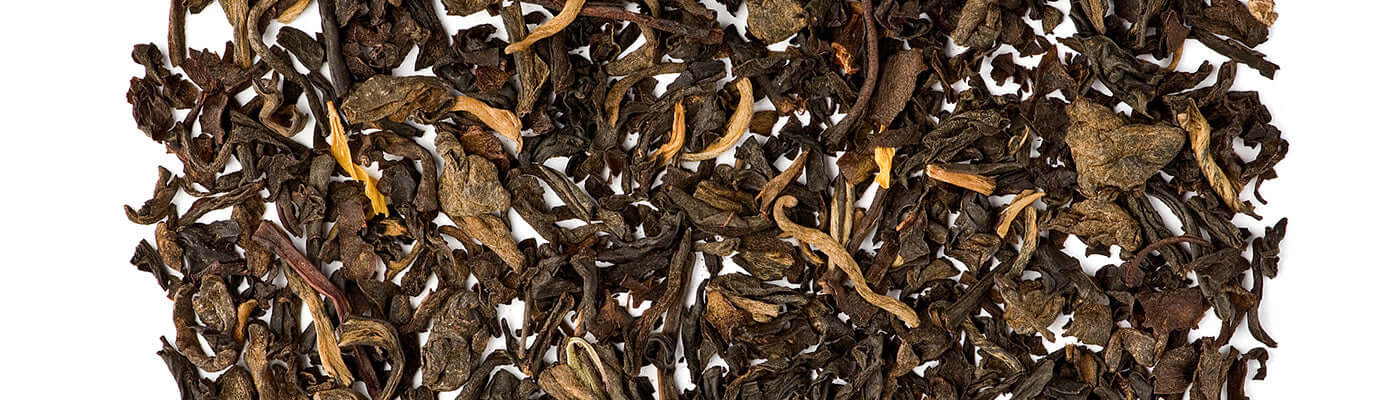
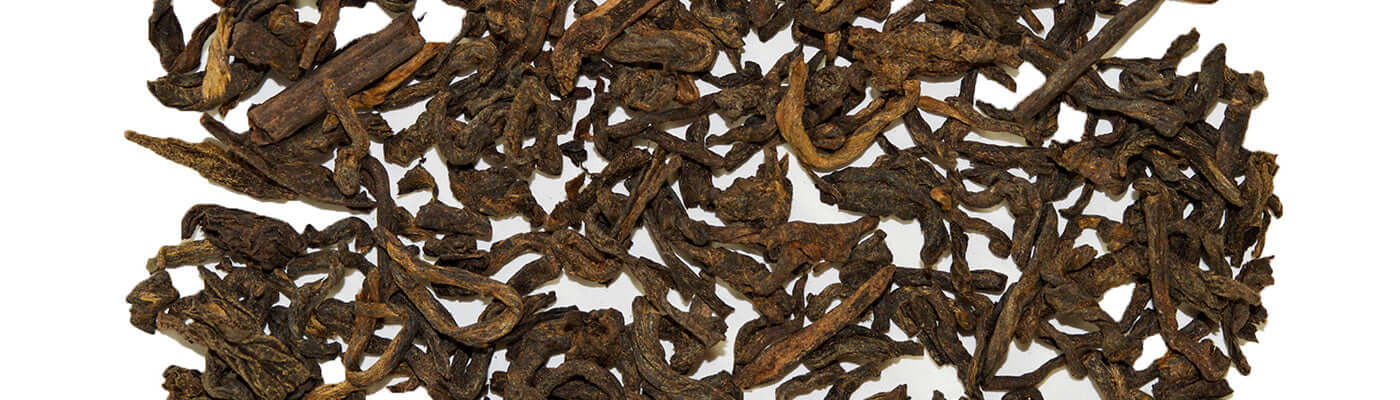
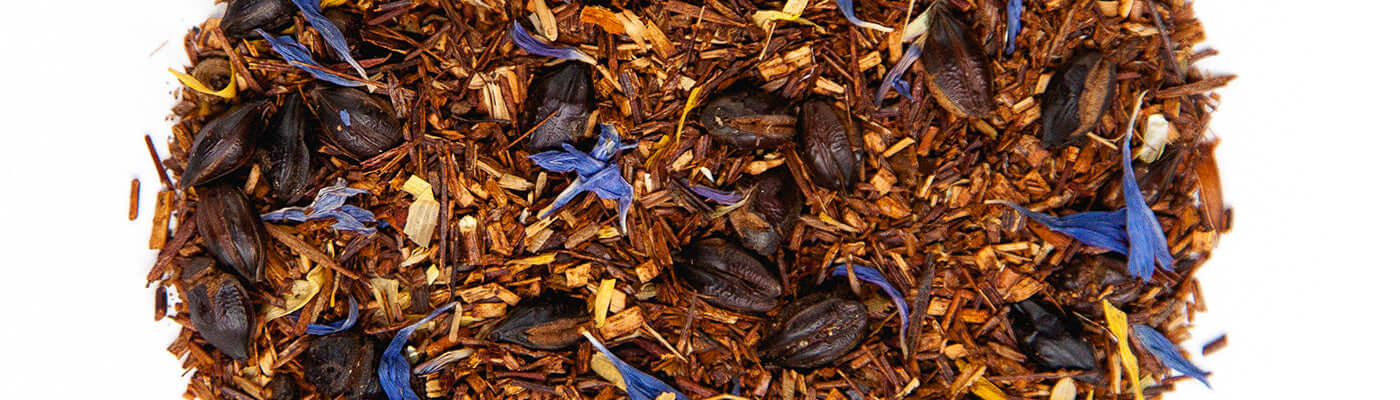
Black teas are fully oxidized teas. Black teas brew a liquor from reddish brown to dark brown. They are the most popular type of tea in the Western world. Black teas range from 40 – 60 milligrams of caffeine per 8 oz cup.
Black Teas from China are divided into two main categories: Northern Chinese (Keemun teas from Anhui province and similar teas such as Golden Monkey) and Southern Chinese which are the black teas from the Yunnan province. Many teas from China often have poetic names that don’t give any information about the type of tea or the region that it came from, such as Cloud Mist and Fairy Branch.
There are three major tea producing areas in India: Darjeeling, Assam, and Nilgiri. Black teas are also available from Sikkim, an area bordering Darjeeling. Ceylon teas come from the island nation now called Sri Lanka. Other loose-leaf black tea producing countries include: Nepal, Turkey, Indonesia, Kenya and Australia.
Preparation of black teas requires pure water at boiling point (212° F).
Process: After the leaves are plucked they are allowed to wither. They are then rolled and crushed by hand or by machine. This activates the oxidation processes and the leaves are allowed to turn black. Finally they are fired in ovens to stop the oxidation process.
Origins: Traditionally from China, India, and Sri Lanka (Ceylon).
Tea Gradings:
There are several ways to reference any particular tea from India or Sri Lanka:
- By estate
- The grade of the tea
- The year of the plucking
- The plucking season (or flush)
Tea gradings refer primarily to the way the leaf looks.
- S, or "super" means that the particular estate considers this tea one of its "best of best".
- F, or "fine" usually means that the tea is a very high quality, clean, dust free and relatively uniform leaf.
- T, or "tippy" means that the tea has many leaves from the very end bud - the terminal bud.
- G, or "golden" refers the those terminal buds that had tiny hair-like fuzz on them that, after oxidation, has turned golden in color (desirable)
- F, or "flowery" generally refers to the nose, it’s floral in character.
- O, or "orange" is a reference to the Earl of Orange who once was so involved in tea trade that he required the estates to note whether or not they thought the teas measured up to his expectations. Using the letter "O" means that the tea does indeed do this.
- P, or "pekoe" simply means a hand picked and processed tea that is dust and mold free.
Flavored Black Teas
Chinese black tea leaves have been flavored since around the time the Ming Dynasty was founded in 1368, and have become wildly popular in America and Europe in recent decades. The addition of natural essences and flavors create an exciting sensual and gastronomic experience, as both the tea and the scent are often enhanced in the marriage of the two. Tea can be flavored by adding fruits, floral essences, and/or flavorings to the finished black tea leaves. All tea leaves are very absorbent of fragrances (and all odors, which is another reason why air-tight containers are important for storage.) Popular scented black teas include Earl Grey, scented with bergamot; Lapsang Souchong, which is scented with pine wood smoke; Rose tea, Caramel tea and various fruit-flavored black teas. View our entire selection of Black Teas.
Chai Tea
Chai is the Hindi term for "tea." Most of the tea India produces is consumed in the country, but India is also the second largest exporter of tea! This gives us an idea of the magnitude of tea production in the country and its economic impact.
The large leaf varietal of tea plant that makes bold black teas, Camellia sinensis assamica, is indigenous to Northwestern India, but tea was not a big part of the Indian diet until the British began producing it there in the mid-nineteenth century. The Indian palate was not satisfied by the the British version of tea, which was perceived as nothing more than a thin, sugared beverage. By drawing from their own cultural pantry, the Indian people created the tea drink that we know as chai - black tea simmered with milk, sugar, and rich flavorful spices such as cardamom, ginger, clove and cinnamon. This blend of spices that they added to black tea is called masala, meaning "spiced." Every household in India has its own family recipe for what they call masala chai, or spice tea.
The black tea base for a traditional chai blend is Assam, a very strong tea. Assam is characterized by its distinctive malty aroma and honey finish to the taste. Assam tea steeps up into a dark liquor. Adding milk to the tea turns it to a characteristically ruby-amber hue.
Our sourcing team at The Tea Spot tea sampled dozens of Assam teas and spices to find the best selections to make our unique and premium chai blends. Our Mile High Chai is our Colorado twist on a classic masala chai, and makes a smooth and deeply flavorful latte.